Cultivating Adventure: Mastering Wheat Farming in Pokémon Pokopia
- Mar 11, 2026
- 0
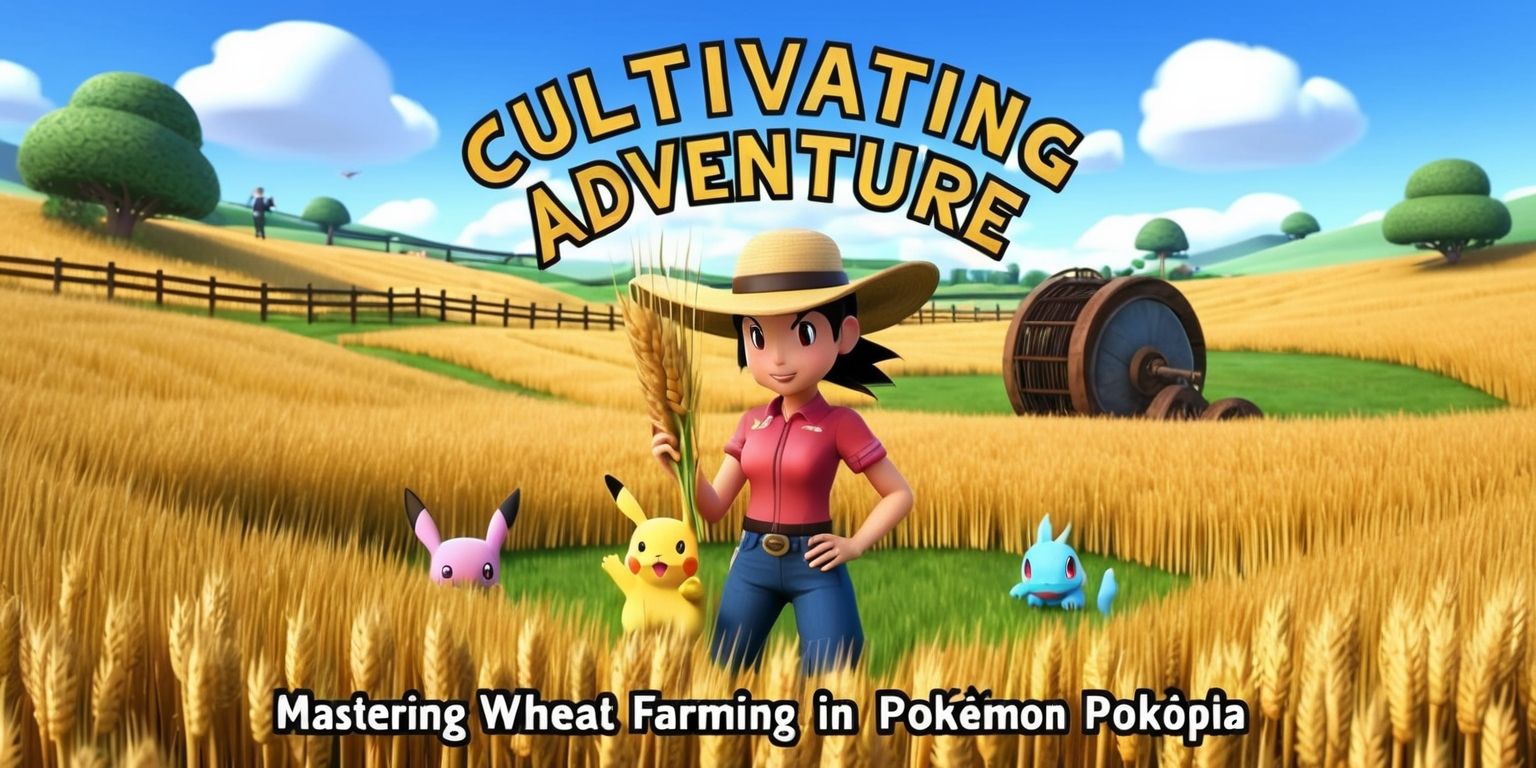
The world of Pokémon Pokopia is filled with dynamic opportunities that extend beyond battling and collecting creatures. Every element of the game seems to be designed to encourage exploration and creativity, and resources like Wheat play an essential role in this immersive experience. As players traverse the varied landscapes, they are not only challenged by puzzles and obstacles but are also rewarded with items crucial for tasks like cooking and farming. The process of locating and producing Wheat enriches the gameplay, enhancing both strategic planning and resource management while also integrating an inviting farming simulation into the Pokémon universe.
Unlocking New Areas and Discoveries
One of the first steps to obtaining this vital resource involves venturing into uncharted territories in Pokémon Pokopia. Players soon learn that key locations such as Rocky Ridges unlock after completing specific in-game objectives like the intriguing 'Yawn up a Storm!' request in another remote region. Once access is granted, the environment transitions from mystery to accessibility, with elements initially marked as unknown turning into vibrant features waiting to be uncovered. As Pokémon trainers explore these areas, the game gradually opens up new possibilities, not only allowing for resource gathering but also deepening the gateway to the digital realm. In this context, journey of discovery, every step attended by challenges reaps rewards that help players achieve their culinary and farming ambitions.
Navigating the Rocky Ridges Landscape
The terrain of Rocky Ridges is defined by its natural, rugged beauty and hidden resources that contribute significantly to a player’s overall progression. Upon achieving access, the area reveals plots of land where Wheat naturally grows, reflecting an organic incorporation of elements from traditional farming systems within the game’s design. Careful observation leads players to uncover these patches, typically located near familiar landmarks like the Pokémon Center. It is a delicate balance between exploration and environmental management, where subtle hints on the game interface guide the trainer’s actions. The process of navigating these zones is integral to the advancement in the game, as such platforms offer not only aesthetic lift but also substantial practical benefits by providing the very resources needed for further development.
Cultivating Wheat in a Virtual Landscape
Once players have discovered the natural resource deposits, the process of cultivating Wheat takes center stage. The game elegantly simulates realistic agricultural practices such as planting, watering, and growth over time. Talented trainers quickly learn that simply picking up the resource is only half of the journey. The ability to convert Wheat Seeds into fully grown Wheat mirrors the careful planning and patience required in traditional farming. As players engage in this agricultural simulation, they unlock more layers of interaction with the game world. This not only allows for an expansion of gameplay mechanics but also creates opportunities for engaging in additional challenges. It blends strategy with creativity, giving trainers a taste of both resource management and nurturing a thriving digital ecosystem.
Mechanics of Tilling and Preparing the Land
A significant aspect of Wheat farming in Pokémon Pokopia involves the preparation of the land. Every aspiring virtual farmer learns that proper soil management is key to ensuring successful cultivation. The process begins with tilled blocks – a feature that replicates real-life agricultural fundamentals. Players must ensure that these blocks are well-prepared before Wheat Seeds can be planted, and sometimes additional attention is needed, such as watering, to trigger growth. This process introduces an engaging layer of intricacy to the gameplay, as every detail must be attended to with precision. Such attention to environmental factors reinforces the authenticity of the simulation, transforming a simple resource gathering task into a complex and rewarding experience that requires thoughtful strategy and continuous engagement.
Investing in Wheat Seeds and Strategic Purchases
The game provides a unique in-game economy where resources and currency are tightly interwoven to enhance productivity. Once Wheat has been naturally discovered, it is unlocked for acquisition in local shops. Trainers have the option to purchase Wheat Seeds at a reasonable price, setting a foundation for future cultivations. The transaction typically offers multiple seeds for a modest sum, empowering players to begin multiple planting projects simultaneously. This economical element pushes users to balance their finances while investing in long-term gains on their digital farms. It also ties into a broader game strategy where resource management is crucial. Every decision has an impact, and purchasing wisely becomes a critical skill that players cultivate alongside their growing understanding of Pokémon Pokopia’s multifaceted environment.
Leveraging Pokémon Abilities for Enhanced Growth
The integration of Pokémon abilities into the farming ecosystem adds an unexpected layer of strategy to Wheat cultivation. Certain Pokémon come with unique specialties that can expedite resource growth, transforming ordinary sessions into expertly managed operations. For example, trainers who incorporate Pokémon with growth-enhancing skills find that the progression of their crops is noticeably quicker and more efficient. This approach not only underscores the versatility of the Pokémon team but also demonstrates the symbiotic relationship between creature battles and resource farming. Utilizing these abilities encourages a more holistic gameplay experience by merging combat readiness with everyday survival skills. Such inventive interactions contribute significantly to the overall richness and complexity of the Pokémon Pokopia universe.
Strategic Exploration and In-Game Navigation
Exploration within Pokémon Pokopia is not a random affair, but rather a carefully orchestrated journey that combines resource hunting with thrilling adventures. The act of navigating through areas like Rocky Ridges requires both observational skills and strategic planning. Each corner of the landscape is designed to reveal secrets and provide insights into effective resource management. As trainers wander through these zones, they encounter various challenges that test their ability to read the game’s subtle cues. The careful placement of resources like Wheat enriches the narrative of the game and fosters a hands-on approach to problem-solving. This dynamic environment keeps players alert and engaged as they continually strive to master the interplay between game mechanics and resource acquisition.
Exploring the Aesthetics of Virtual Farming
Pokémon Pokopia strikes a fine balance between visual splendor and interactive functionality, particularly in its depiction of farming. The depiction of Wheat fields and tilled soil is rendered with a careful attention to detail that mimics real-life rural landscapes. Players are often captivated by the seamless integration of lush fields with the interactive elements of gameplay. This design choice It not only elevates the visual appeal but also acts as a useful guide for cultivating cultivated lands. Each visual cue is thoughtfully placed, guiding players on where to tire, water, and ultimately harvest the crops. These richly drawn environments underscore the game’s Dedication to building an engaging and authentic universe, turning routine agricultural activities into moments of visual delight and strategic importance.
Integrating Culinary Passion within the Gameplay
One fascinating element of Pokémon Pokopia is its fusion of farming with culinary arts. Wheat harvested from fields around Rocky Ridges is more than just a raw resource, as it plays a pivotal role in various cooking recipes within the game. The ability to utilize Wheat for preparing meals underscores the interconnected nature of many gameplay activities. Players are encouraged to experiment, blending traditional food preparation with the excitement of resource gathering. Moreover, consuming these ingredients yields rewards – such as restoring a small amount of energy for indispensable Pokémon like Ditto – which integrates the resource directly into the adventure’s mechanics. This convergence of culinary creativity and resource management contributes a vibrant layer of exploration and experimentation to the overall gameplay experience.
Fulfilling Key In-Game Requests and Challenges
The narrative arc of Pokémon Pokopia is enriched through task-based challenges that require both resource gathering and ingenuity. One such quest, which involves a team initiation challenge, specifically necessitates the collection and use of Wheat. This request emphasizes Consider this alternative: "the significance of meticulous observation combined with deliberate thoughtfulness." preparation in every stage of the game. As trainers attempt to meet these challenges, they must balance the demands of resource collection with their broader in-game responsibilities. This integrated approach to challenges reinforces the interconnected nature of tasks within Pokémon Pokopia, ensuring that every move has both immediate and far-reaching consequences. Thus, every interaction, from field exploration to resource manipulation, plays a critical role in unlocking further dimensions of the gameplay narrative.
Dynamic Resource Management and In-Game Economy
Resource management is an essential aspect of Pokémon Pokopia that goes well beyond simply obtaining Wheat. In this rich virtual ecosystem, every resource serves a pivotal function in preserving balance progression of the game. Players must judiciously manage their inventory, spending in-game currency on items like Wheat Seeds to sustain and expand their digital farm. The acquiring and harvesting of Wheat is closely tied to other elements such as culinary advancements and task completion, making efficient planning indispensable. This dynamic economic system interconnects various parts of the game, and every decision regarding resource allocation has meaningful ripple effects on a trainer’s journey. Such integration of strategy, planning, and resource management illustrates the intricate depth of the game, offering multiple layers for players to immerse themselves in.