Harnessing Nature's Might: The Strategic Elegance of Grass-type Pokémon in Pokémon Go
- Sep 11, 2026
- 0

The world of Pokémon Go beckons players into a realm where elemental types create a vibrant tapestry of battle, strategy, and legacy. Among these, Grass-type Pokémon command particular interest with their unique blend of attributes and evolving potential. Dedicated trainers seek those whose natural affinity with nature makes them reliable in duels and versatile for many gameplay scenarios. With countless species and classifications, understanding which Grass-type Pokémon shine in both power and economy becomes essential. The nuances extend beyond raw stats to include factors like resource investment and game evolution. Here we delve into various facets of these natural warriors, exploring their classification and distinct roles as well as their place among legendary, pseudo-legendary, and commonly encountered species.
Exploring the Heritage of Grass-type Competitors
Grass-type Pokémon have a storied history that speaks to their deep connection with nature, often embodying elements of flora and the intrinsic power of growth. Their presence in Pokémon Go is not just about brute strength; it is the embodiment of evolution, resourcefulness, and tactical prowess. Players appreciate that these natural combatants can perform diverse movesets, which allows them to stand up to opponents with distinct elemental advantages. Their abilities grant them the flexibility needed in various strategic scenarios, from in-game battles to community challenges. The overall design celebrates their botanical essence while balancing unique weaknesses and strengths that make gameplay more engaging. Reflecting on their lineage illuminates how these creatures continue to evolve alongside players, creating a dynamic gameplay narrative that stays true to classic Pokémon lore.
Understanding the Intricacies of Grass-type Design
The detailed mechanics behind Grass-type Pokémon reveal intricate interplay between design philosophy and in-game functionality. These creatures often showcase abilities that emphasize regeneration, trickery, and a natural resilience that resonates with the player’s connection to the environment. Their move-sets are carefully balanced to provide a mix of supportive and offensive maneuvers that keep them relevant in various match-ups. Developers have meticulously tuned parameters such as attack range, move speed, and energy consumption to ensure that their gameplay remains both challenging and rewarding. This balance creates an environment where no single type overpowers another completely, crafting a game that It caters to an expansive spectrum of playing approaches. Thus, the Grass-type’s design speaks to a broader creative vision that enhances tactical interactions throughout the game.
Distinguishing Between Legendary and Non-Legendary Grass-types
Grass-type champions are categorized into legendary and non-legendary groups, each bringing its own strengths and resource demands. Legendary Pokémon typically boast higher overall statistics and a mysterious allure that captures the fascination of avid players, yet come with significant resource requirements, such as rare candies and stardust. Conversely, non-legendary Grass-types often prove to be more accessible for trainers looking to conserve in-game resources while still unlocking impressive combat potential. These accessible combatants may not reach the same peak power as their legendary counterparts, but they provide a cost-effective and A streamlined choice for individuals who value consistency growth. Evaluating these differences encourages players to balance ambition with practicality, as the choice between these two categories underlines the game’s nuanced approach to progression and strategy.
Balancing Resource Investment with Combat Efficiency
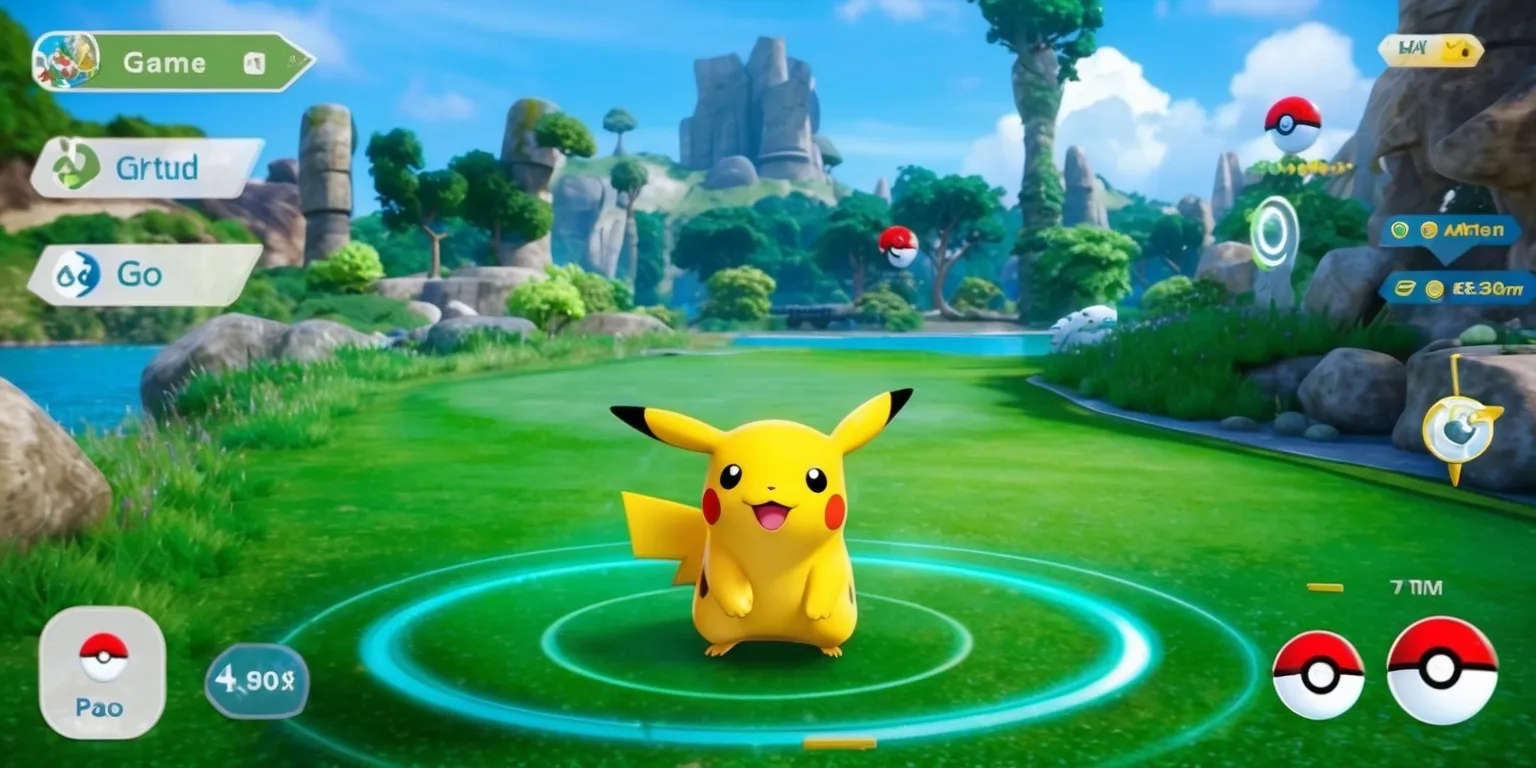
In the realm of Pokémon Go, resource allocation is paramount, and this is especially true when managing a roster of potent Grass-type attackers. Trainers must weigh the investment of stardust and candy required to maximize each Pokémon’s power against the potential reward in battle. Non-legendary Pokémon, often more affordable to level up, offer strategic flexibility by requiring less commitment while still maintaining competitive strength when optimized properly. This cost-effectiveness becomes a vital factor in crafting a balanced team, especially when confronting high-stakes challenges where every detail counts. As players progress, understanding this investment dynamic turns into an art where thoughtful strategy can overcome the raw power competition. Such decisions influence long-term gameplay, ultimately giving players a richer experience as their in-game collections evolve and strengthen over time.
Highlighting the Role of Pseudo-Legendary Grass Types
Among Grass-type Pokémon, a unique category often referred to as pseudo-legendary stands out, offering an intriguing blend of power reminiscent of true legacies while maintaining manageable resource demands. These Pokémon typically deliver robust attack stats and versatile move sets that challenge the boundaries between myth and the everyday. Their strategic value goes beyond numerical superiority; they serve as a testament to the game’s capacity to innovate within established frameworks. This category thrives on the balance of performance and affordability, often leveraging high damage potential to secure competitive victories in battles. Their presence offers players an opportunity to harness a near-legendary strength without the burdensome costs usually associated with legendary collectibles. Through this lens, the game rewards tactical acumen and careful resource management, making these Pokémon a prized asset for committed trainers.
Strategic Versatility in Grass-type Gameplay
Grass-type Pokémon introduce a diverse range of tactical approaches that enrich the strategic landscape of Pokémon Go. Trainers can experiment with various move combinations that harness nature’s resilience and counterbalance weaknesses inherent in other types. With move sets designed to synergize with allied Pokémon, these grass-type contenders often play pivotal roles in both offensive and supportive operations. Additionally, their natural affinity for recovery abilities creates opportunities for sustained engagements. This adaptability encourages experimentation in team compositions, allowing trainers to mix and match Pokémon based on the specific nuances of upcoming challenges. Even as individual battles evolve, the emphasis on versatile strategies ensures that Grass-types remain central to dynamic play, embodying the creative spirit that drives the evolving narrative of competitive play within the game.
Refining Aesthetics and Visual Appeal in Grass-types
A glance at Grass-type Pokémon reveals that their design extends far beyond functionality, celebrating the natural elegance and visual artistry of flora. The aesthetic appeal of these creatures is carefully crafted to evoke the beauty of a thriving ecosystem – vibrant colors, intricate patterns, and detailed textures bring each Pokémon to vibrancy. The meticulous focus on every detail not only elevates the gameplay but also contributes additional depth to the experience layers of immersion, making battles feel like encounters in a living world. The Graphical components merge harmoniously to create a unified whole narrative of natural resilience and beauty, where every creature represents a unique chapter of the game’s artistic expression. Their designs are a nod to the organic inspirations behind their creation, making Grass-types an enduring favorite for players who appreciate both depth in gameplay and a visually engaging experience.
Expanding the Tactical Horizon in Competitive Environments
Grass-type Pokémon are pivotal in competitive gameplay, creating a spectrum of tactics that extend the strategic horizon for trainers at all levels. The dual nature of offensive power and defensive agility encourages players to develop plans that address both rapid strikes and long-term endurance. In team-based battles, effective coordination often hinges on understanding the specific roles each Grass-type can play, whether in disrupting opponents or providing a consistent support interval. Trainers learn to navigate complex interactions where timing, positioning, and move selection are crucial. Each battle becomes a dynamic puzzle, where Choosing the most suitable action at the perfect moment can shift the momentum. This evolution in competitive tactics not only challenges the skill level of players but also nurtures a deeper appreciation for strategic foresight, ensuring that every encounter remains fresh and unpredictable.
Integrating Budget-Friendly Strategies with High Impact
For many trainers, the appeal of investing in Grass-type Pokémon lies in the balanced trade-off between cost and effectiveness. In a game where resource management is critical, non-legendary and pseudo-legendary variants offer a tactical advantage without the steep investment of rare, high-tier materials. This budget-friendly approach challenges players to maximize their resource allocation, identifying Pokémon that deliver notable performance without extensive reinforcement. Such strategic decisions resonate with novice and veteran players alike, creating pathways to build competitive teams with available resources. The careful balancing act between spending and reward embodies the essence of Pokémon Go's progression system, where every investment counts. Embracing this methodology enriches gameplay by blending financial prudence with dynamic combat strategy, ultimately allowing trainers to unlock high-impact performance that belies their resource-efficient origins.
Unveiling the Multifaceted Appeal of Grass-type Attackers
The allure of Grass-type attackers is imbued with a multifaceted charm that spans tactical depth, visual dynamism, and strategic flexibility. Beyond their capacity for robust offensive moves, these Pokémon offer An all-encompassing gaming journey that captivates a variety of player motivations. Their design often showcases evolution-inspired transformations that mirror their growth alongside trainers, symbolizing the enduring bond between player and creature. Each encounter with a Grass-type Pokémon is a reminder of the game’s roots in nature and wonder, inviting players to explore tactics that balance strength with subtlety. This ever-evolving relationship between appearance, ability, and practical performance drives the sense of discovery inherent in Pokémon Go. The interplay of these elements not only boosts participation but also enhances the overall narrative of a journey defined by growth, resilience, and creativity.