How to Get the Golden Scale in Ocarina of Time and Why It Matters
- Nov 11, 2026
- 0
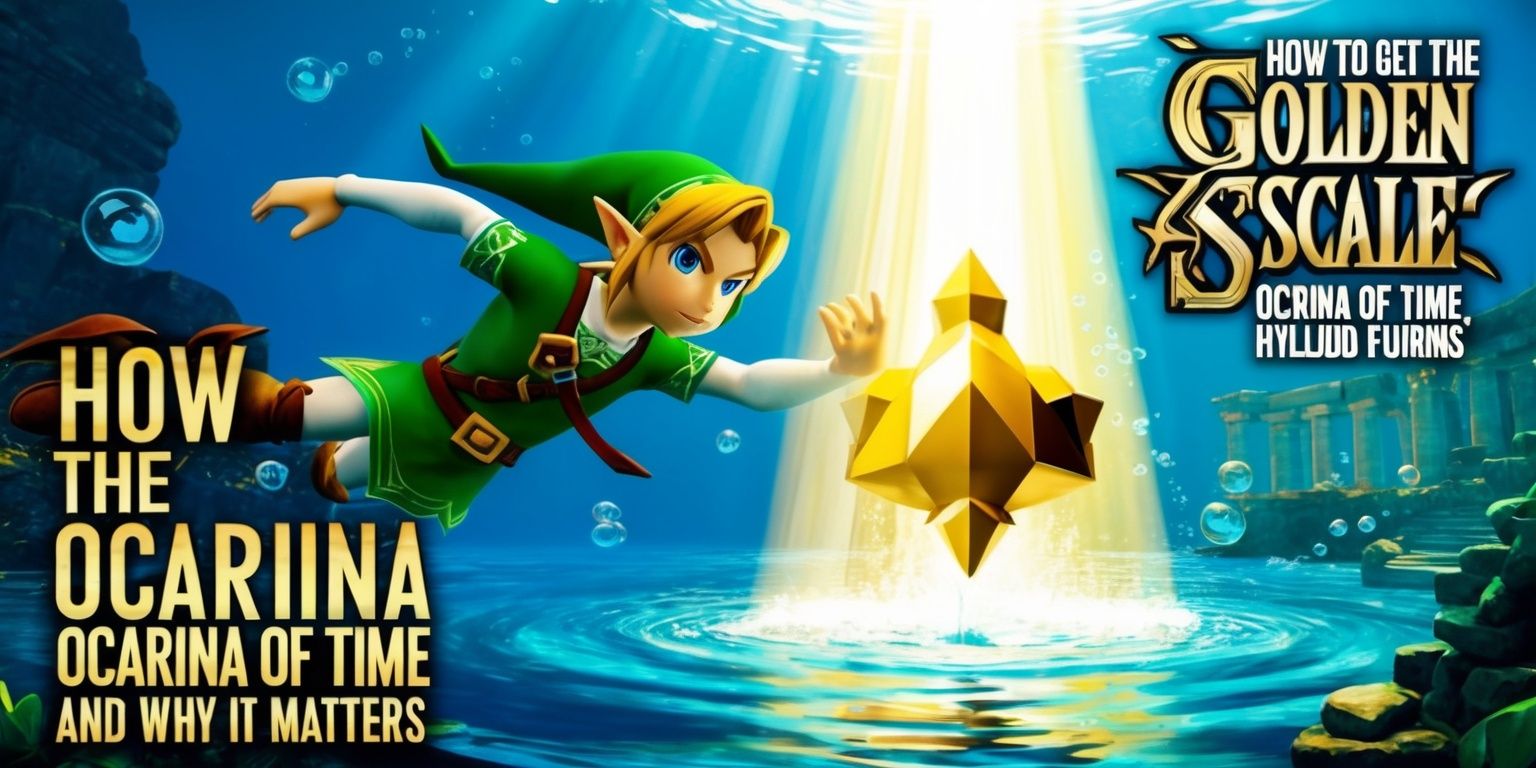
The Golden Scale in The Legend of Zelda: Ocarina of Time is among those upgrades that quietly changes how Hyrule feels to explore. It does not open with a dramatic cutscene or a flashy sequence, yet it expands Link’s reach in a way that many memorable items do not. By improving dive depth, it turns shallow pools, hidden corners, and watery secrets into places worth revisiting. For players who like uncovering optional rewards, this upgrade is especially satisfying, because it connects a simple fishing challenge to a wider sense of discovery across the game world.
Why this water upgrade matters
Among the many tools and enhancements scattered through Ocarina of Time, the Golden Scale stands out for being practical rather than aggressive. It does not change combat or movement on land, but it adds value wherever water is present. In Hyrule, that means more than it first appears. Lakes, ponds, laboratory basins, underwater passages, and treasure spots all become more rewarding once Link can stay down longer and reach deeper. This kind of upgrade encourages curiosity, since the game often hides small prizes behind areas that initially seem too deep or too inconvenient to search.
When the path to the scale becomes available
Getting the Golden Scale depends on progression through the adult timeline. That means the story must first move beyond the child era, after the three Spiritual Stones have been gathered and the Temple of Time has been reached. Once Link becomes Adult Link, the route to this item opens naturally. The requirement is important because it ties the upgrade to a later stage of the adventure, when exploration across Hyrule has become broader and more complex. At that point, revisiting familiar locations with new abilities and a fresh perspective becomes part of the game’s rhythm.
Finding the Fishing Pond at Lake Hylia
The destination for this upgrade is the Fishing The pond, situated on the eastern shore of Lake Hylia. It is one of the game’s quieter spaces, but also one of the most memorable side activities in the region. Reaching it is part of the charm, since the trip to Lake Hylia itself already carries that calm, open feeling that contrasts with the main quest’s urgency. The pond is not difficult to locate once you know where to look, and the environment creates the feeling of entering a small leisure zone tucked away inside a much larger adventure.
The entry fee and the value of patience
Before fishing begins, Link must pay 30 Rupees to enter. In a game where currency often goes toward practical purchases, paying for a minigame can feel like a small luxury. Still, the fee is modest, especially for an upgrade that improves exploration for the rest of the game. Inside the pond, patience matters more than speed. The activity asks for focus, timing, and a willingness to stay engaged until the right catch appears. That slower pace is part of the experience, giving the pond a different tempo from the rest of Hyrule.
The exact catch the game is looking for
The Fishing Pond Man does not simply want any fish. To earn the Golden Scale, Link needs to catch one that measures 60 centimeters or more. That size requirement is what turns the task from casual fishing into a targeted challenge. Players may spend time reeling in smaller fish before landing the right one, and that uncertainty adds tension to the minigame. The process also makes the reward feel earned rather than handed out. Once the qualifying fish is shown to the pond owner, the Golden Scale is granted as recognition for the impressive catch.
What the fishing minigame feels like in practice
The fishing mechanics in Ocarina of Time are simple on the surface, but they have enough nuance to become absorbing. The bait of patience is often more important than the bait on the line. Fish move in patterns that feel random at first, and the player has to learn how to position, wait, and react without becoming impatient. This makes the pond feel like a separate game within the game. For some players, the challenge is relaxing; for others, it becomes a test of persistence. Either way, the reward at the end gives the minigame a meaningful purpose beyond novelty.
Other reasons to linger at the pond
There is more to the Fishing Pond than a single prize. Once the Golden Scale has been obtained, the Sinking Lure becomes available on future visits. That adds another layer of experimentation for gamers who like to explore the complete range of what the minigame can offer. The pond also serves as an excellent spot to look for the Hylian Loach, which is notoriously elusive and can take time to find. Because of this, the area becomes a destination for completion-minded players who want to squeeze every possible secret from one location before moving on.
How the scale changes underwater movement
After being earned, the Golden Scale is equipped automatically, and it improves on the Silver Scale from Zora’s Domain. This upgrade increases Link’s diving ability to nine meters, which is a substantial improvement for underwater searching. In practical terms, it means that areas once only partially accessible can now be explored more fully. The change may seem small in a moment-to-moment sense, but it affects how players interpret lakes and ponds throughout Hyrule. Water is no longer just a barrier or decorative feature; it becomes a layered space with hidden depth and usable space below the surface.
Lake Hylia becomes more rewarding
The most immediate use for the Golden Scale appears in Lake Hylia itself. The small pool near the laboratory contains a submerged bottom that becomes reachable with the upgrade, and that is where one of the game’s notable rewards waits. The Lake Scientist gives Link a Heart Piece for reaching the bottom, which makes the new diving capability feel worthwhile right away. This is a good example of how Ocarina of Time ties upgrades to optional content, encouraging players to think beyond the main path and revisit earlier areas with a new tool in hand.
The role of optional rewards in the game’s structure
Ocarina of Time is full of side objectives that reinforce its world design, and the Golden Scale fits neatly into that structure. It is not required to complete the story, yet it improves the experience by unlocking hidden possibilities. That balance is part of what gives the game lasting appeal. Optional content is not just filler here; it is often connected to valuable upgrades, heart pieces, and collectible secrets. The Golden Scale sits at the center of that design philosophy, turning an offbeat activity like fishing into a meaningful part of progression.
Aesthetics and atmosphere around the fishing area
The Fishing Pond and Lake Hylia together create a distinct mood in the game. Compared with dungeons and tense story moments, the area feels open, bright, and unhurried. The water, the quiet setting, and the isolated nature of the pond combine to produce a feeling of pause. That atmosphere matters because it gives the fishing activity a stronger identity. Instead of feeling like a random minigame dropped into the world, the pond seems like an organic continuation of Hyrule’s geography, where exploration can slow down and become almost meditative for a little while.
Why completion-minded players care about it so much
For players trying to uncover everything, the Golden Scale is one of those upgrades that cannot be ignored. It connects to more than one collectible path and can save time by making underwater search zones easier to navigate. Even if the actual challenge of earning it varies from player to player, the end result is broadly useful. It also pairs well with other optional goals, since the game’s collectible structure often spreads rewards across different regions and activities. Grabbing it can make later exploration more comfortable and more thorough.
The upgrade’s place among other hidden items
Hyrule is filled with upgrade items that are easy to miss if the player moves too quickly through the main quest. The Golden Scale belongs to this family of hidden rewards, where the payoff depends on curiosity, exploration, and knowing where to look. Unlike equipment that is handed over through story progression, this one asks for a side trip and a bit of effort. That gives it a uniquely meaningful kind of worth. It feels personal, almost like a secret between the player and the world, because the game never forces the encounter but makes it rewarding for those who pursue it.
Why the pond is worth returning to later
Even after the Golden Scale has been claimed, the Fishing Pond remains relevant. Players may come back to test the Sinking Lure, continue chasing the Hylian Loach, or simply enjoy the unusual pacing of the area. That repeatability helps the location stay memorable long after the initial reward is secured. The pond functions as more than a single objective marker. It is a self-contained pocket of gameplay that offers variety from the rest of the adventure, and the Golden Scale acts as the key prize that gives the visit its first major purpose.
What makes the reward feel satisfying
The satisfaction here comes from the combination of effort, location, and utility. The player spends Rupees, wrestles with a focused minigame, and eventually receives an item that makes exploration smoother in a practical way. That sequence gives the Golden Scale a strong place in memory because it connects a peaceful side activity to a tangible improvement. It rewards patience without overcomplicating the process, and it encourages the player to look at water in Hyrule as something more than scenery. Once the scale is in hand, those deeper spots invite attention in a new way.