Inside the Grapple: Next-Gen Innovations in Wrestling Simulation
- Jul 11, 2026
- 0
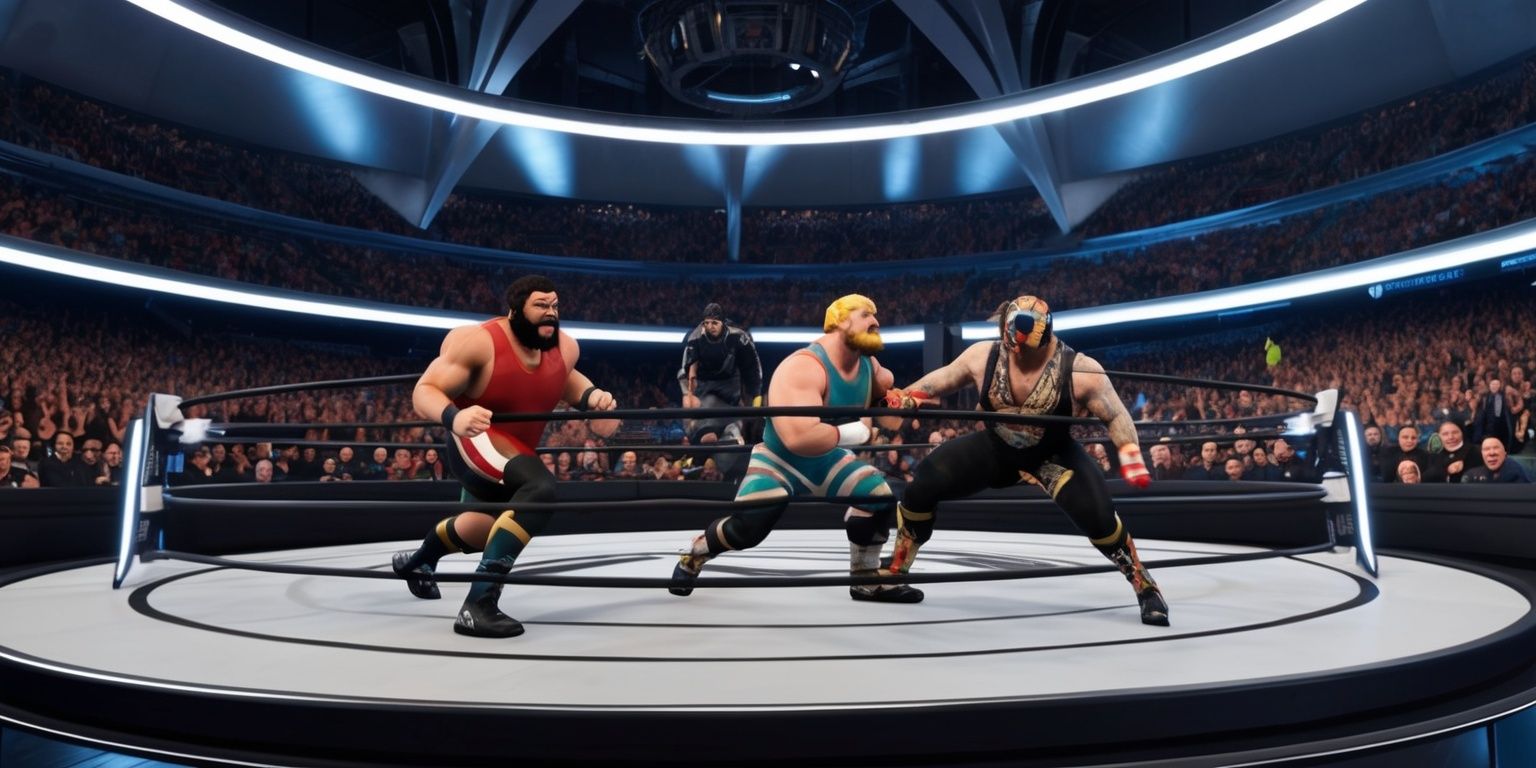
The newest installment in the wrestling franchise invites players to step back into the squared circle, where every maneuver and match is meticulously crafted to emulate the spectacle and tension of televised pro wrestling. Players quickly discover that while the game builds on a firm foundation of familiar mechanics, it also introduces nuanced changes meant to heighten the in-ring experience. Every grapple and reversal is an exercise in risk and reward, with the new stamina conditions demanding more thoughtful play. Beyond the adrenaline-pumping ring action, layers of storytelling and mode variety provide depth. The game continues to celebrate wrestling’s history even as it experiments with innovative mechanics, challenging fans to adapt and evolve with each match and mode encountered in the game.
Innovative In-Ring Maneuvers and Stamina Management
The game makes a tangible effort to refine its gameplay through enhanced stamina management. A new “winded” condition now plays a crucial role in every match, introducing a layer of strategy that sees wrestlers unable to sprint or perform reversals when exhausted. This adjustment forces players to carefully balance offensive bursts with tactical retreats, making every action count. Traditional reversals maintain their importance, but now come with the added risk of draining limited energy resources that can shift the momentum in any bout. The reimagined system not only challenges players to manage their energy efficiently, but it also mirrors the fatigue and tactical pacing of real wrestling events. This balanced approach enriches the wrestling experience by demanding both strategic insight and quick reflex adjustments in every match.
Realistic Collision Dynamics and Physical Interactions
The developers have made notable improvements in collision physics so that every impact in the ring feels fresh and authentic. Wrestlers interacting with objects, such as the ropes, stairs, or props, now display genuinely reactive behavior instead of relying on repetitive animations. When a wrestler is suplexed into the ropes, the resulting bounce and collision are noticeably dynamic, adding an extra visual layer of satisfaction. Similarly, body-to-object interactions in various match types evoke a sense of unpredictability reminiscent of classic wrestling moments. This approach infuses humor and realism into the gameplay, lending a nod to the over-the-top physicality of professional wrestling. Fans will appreciate the blend of technical tweaks and creativity that make even simulated injuries and falls feel like a genuine part of the vibrant wrestling universe.
Exploration of Distinct and Challenging Match Types
Among the various match types introduced, several stand out with their inventive twists. Modes such as Here's one way to rephrase it while keeping the original context: "I Surrendered, the Garbage Bin, the Raging Blaze, and the Three Distinct Phases of" Hell provide unique conditions and win requirements that challenge traditional match structures. The I Quit mode, in particular, transforms submission matches by requiring precision and timing as players navigate a challenging gauge. Similarly, matches like the Inferno mode bring environmental hazards into play by incorporating a temperature gauge, where managing the heat becomes critical to securing victory. Meanwhile, the Dumpster and Three Stages of Hell modes harken back to nostalgic match stipulations, updated with a modern flair. These variants do more than merely add variety; they demand that players rethink tactics and adapt quickly, ensuring that Every match brings its own unique vibe.
Showcase of Wrestler Legacies and Historic Echoes
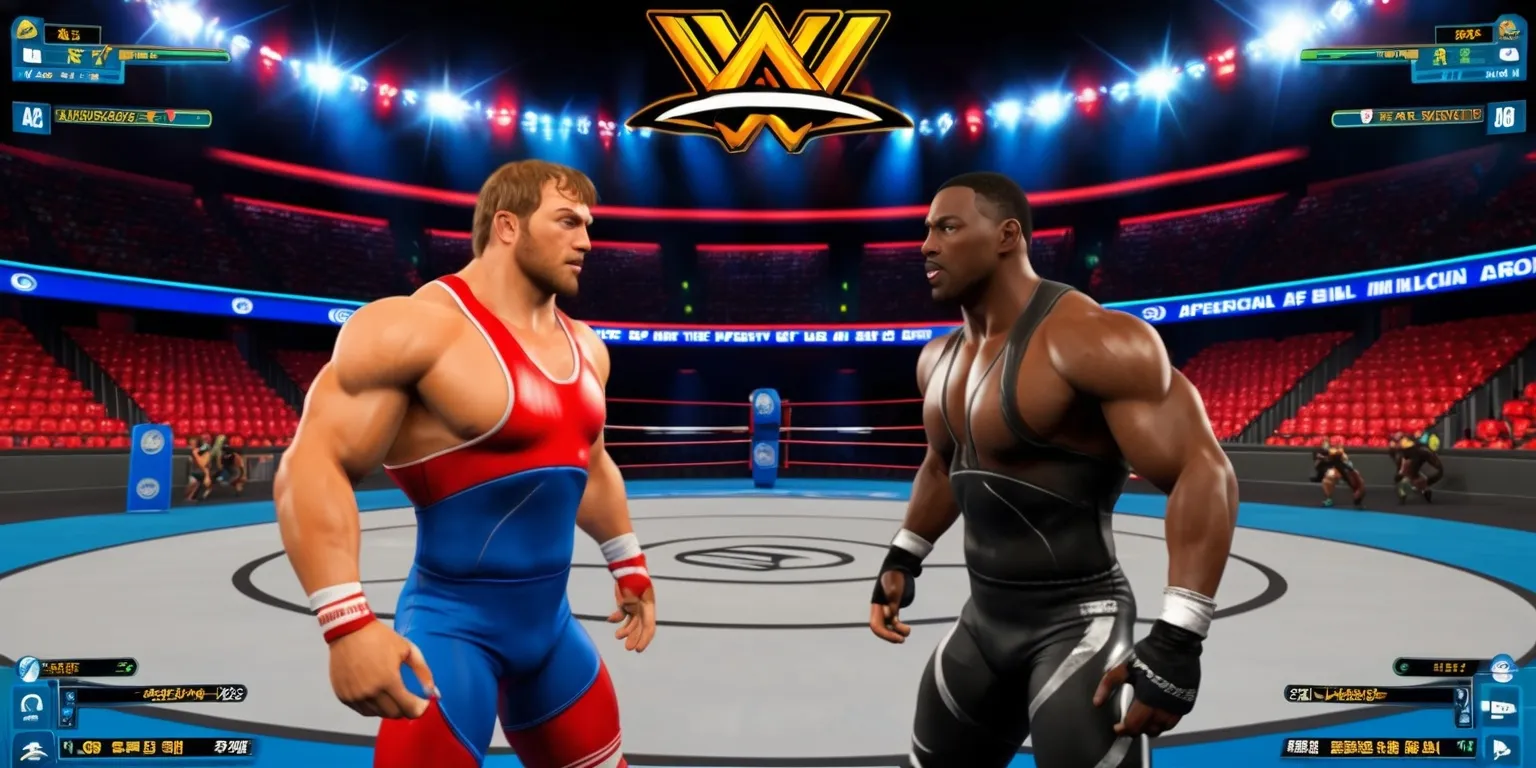
The mode dedicated to wrestling legends provides a mixed experience by reinterpreting iconic moments in wrestling history through an interactive lens. Centered around a celebrated superstar’s career, the narrative mode attempts to fuse archival footage with live gameplay sequences using innovative "Slingshot Technology." Despite its ambition, the effort to encapsulate the highs and lows of an illustrious career sometimes stumbles over its historical omissions and attempts to sidestep controversial periods. Fans may notice gaps in storytelling where real-life complexities are brushed aside for a cleaner narrative. Nonetheless, the mode offers players an engaging opportunity to recreate and reimagine seminal wrestling moments, even if the presentation occasionally falls into the trap of feeling insubstantial compared to the rich, chaotic tapestry of the sport’s history.
Personal Journeys in the MyRise Adventure
The narrative-driven MyRise mode offers a more streamlined career experience where players guide a rising superstar back to the zenith of the wrestling world. Set across six chapters filled with career-defining twists, this mode emphasizes decision-making that impacts a wrestler’s moral alignment and in-ring destiny. The choices between heroic valor and villainous cunning add a layer of strategic depth, although some sequences might feel like obligatory challenges rather than substantive story moments. Every match played in pursuit of stars and attribute points underscores the balance between pure athletic competition and the dramatic storytelling inherent in wrestling. Even as some battles seem more like lesson-driven exercises than emotional narrative milestones, MyRise manages to capture the spirit of redemption and rivalry that has long defined wrestling sagas.
The Island Experience: A Fusion of RPG Elements and Wrestling
In a bold twist away from traditional storytelling, the game introduces The Island, an open-world mode that combines wrestling with role-playing elements. Players are invited to create and develop their own wrestlers within a vibrant, interactive world teeming with quests and dynamic challenges. This setting allows for a level of personalization and individual flair seldom seen in conventional arcade simulations. The Island is divided among distinct factions, each vying for control and offering unique rewards that tie back into the overarching wrestling narrative. Despite a few pacing issues, the system encourages strategic roster management and creative storytelling. The integration of open-world quests, leaderboards, and dynamic encounters provides an appealing playground for those who enjoy blending sports simulation with fantasy and adventure, inviting both casual and dedicated fans alike.
Complex Economies and the Impact of In-Game Monetization
A notable evolution in this edition is the structured implementation of battle passes and associated monetization strategies. The introduction of free and premium tracks demands that players invest time in earning rewards that were previously more accessible. The premium pass, themed around celebrated wrestling entities, offers exclusive items and wrestler customizations that come at a premium cost and require prolonged engagement. This design shift forces a consideration between in-game effort and real-world financial investment, occasionally dampening the sense of egalitarian competition. While the redesigned progression system attempts to integrate narrative rewards, many players may find themselves wrestling with grinding mechanics that hinder the fluidity of gameplay. This economic model adds complexity to the overall experience, challenging players to weigh the balance between skill, effort, and unlocking desired in-game treasures.
Dynamic Roster Customization and Universe Mode Enhancements
Beyond the ring, the game’s Universe mode has received fresh enhancements that bolster its creative potential. Players can now draft rosters with a computer-controlled General Manager, injecting unpredictability into match scheduling and storyline progression. The expanded options allow for a more dynamic approach to booking feuds, intergender bouts, and cross-format promos, making it an enticing tool for those who revel in the behind-the-scenes intricacies of wrestling promotion. Additionally, the extended season in MyGM mode now spans over 50 weeks, offering extended periods of management and strategy. These improvements not only revive older modes but also challenge players to remain engaged on multiple fronts. The integration of robust features and strategic depth in roster customization provides a refreshing antidote to the once-static simulation strategies prevalent in earlier editions.
Artistic Presentation and Visual Fidelity on Display
The game’s visual style keeps evolving be one of its most impressive aspects, with stylistic choices that celebrate the larger-than-life persona of professional wrestling. The character models are rendered with remarkable technical detail, and arenas burst with personality from intricate decorations to dynamic lighting effects that set the tone of epic clashes. Every environment is crafted to emulate the electrifying atmospheres of wrestling events, with camera angles that capture every move with cinematic flair. Moreover, the fluid animations during high-impact actions and signature finishers contribute additional oomph to the match presentations. The aesthetic vibrancy not only appeals to longtime fans who relish nostalgia but also invites newcomers with its blend of realism and creative exaggeration. This commitment to visual excellence reinforces the game’s aim to merge spectacle with competitive gameplay in every encounter.
Celebrations of Wrestling Heritage and Alternative Storytelling
The game pays homage to the history and spectacle of wrestling through modes that reimagine legendary narratives and alternative outcomes. Through scenarios where subtle tweaks allow players to explore "what if" situations—ranging from pivotal match challenges to reinterpreted historical rivalries—the game encourages creative engagement with the sport’s lore. Although some segments may at times feel like busy work or superficial reinterpretations, the opportunity to alter moments from wrestling history cultivates a dialogue between past myths and modern design. This innovative narrative approach invites players to dwell on the legends of bygone eras as they carve their own pathways through the storied past of wrestling entertainment. The mode thrives on its ability to juxtapose fantasy with reality, offering fans a playground of imaginative yet grounded wrestling lore that challenges conventional storytelling in sports simulation.